

User Research Training
Two courses.
One complete pathway.
User Research
Essentials
Next cohort: Feb ‘27 🗓️
Build the skills to plan, run and share user research effectively. Practice core skills at every stage in a supportive setting and leave with reusable tools and techniques.
2 day course ✔️
Instructor led ✔️
Delivered over Zoom ✔️
No experience needed ✔️
Introductory offer: £695 (+vat)
User Research
Practitioner
Next cohort: Mar ‘27 🗓️
Apply the foundations to a live research project. Prepare a real study, speak to real recruited participants, analyse real data and present your findings and recommendations.
3 day course ✔️
Instructor led ✔️
Delivered over Zoom ✔️
Some experience needed ✔️
Introductory offer: £995 (+vat)
Learn by doing.
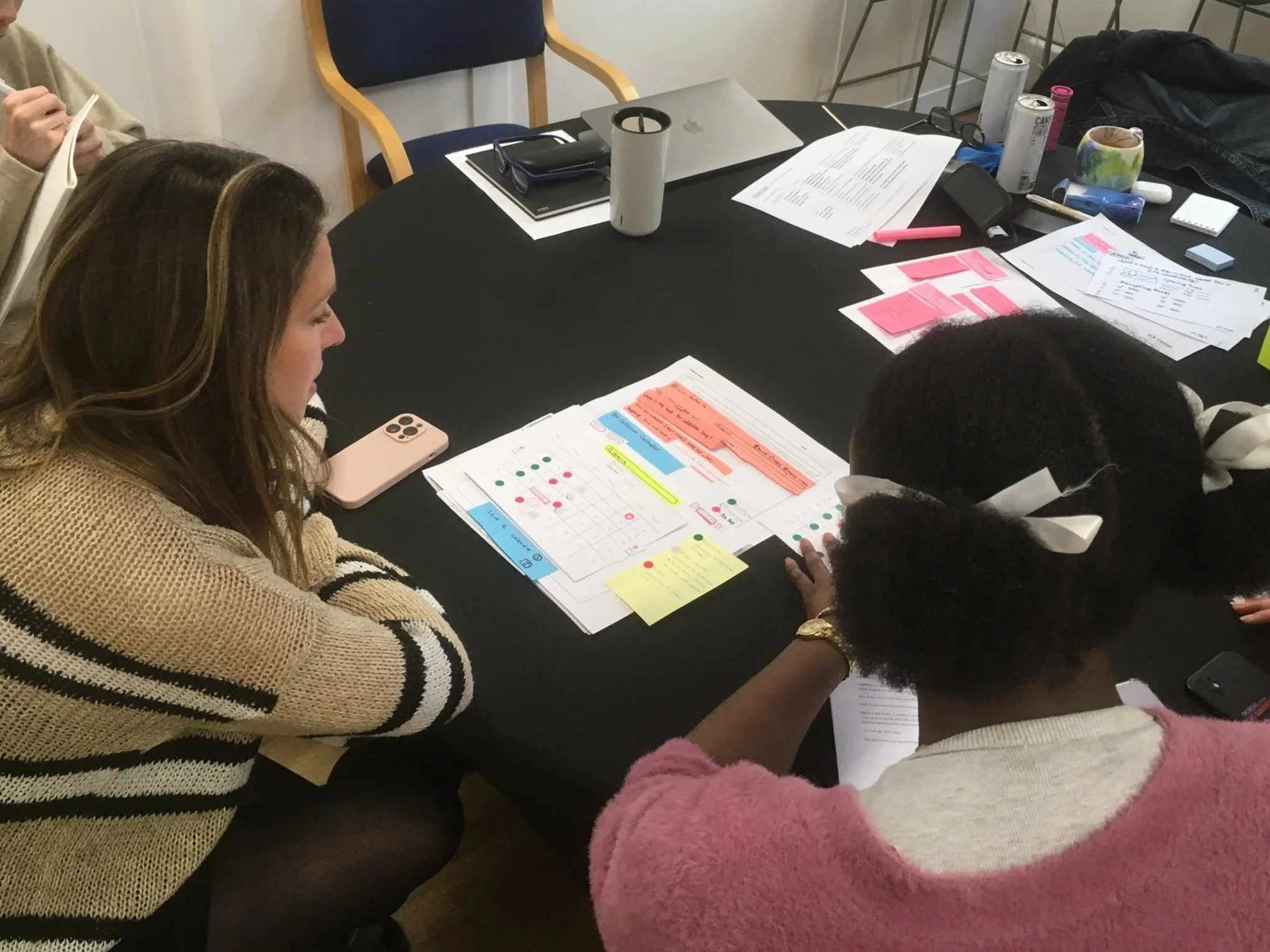
Nobody should sit listening for more than 20 minutes. Our brains get overloaded and we start to daydream.
We like to break up our training by doing regular activities, discussions, reflection and real-world exercises to ensure the learning is active, but not exhausting.
Course 1:
User Research Essentials
Learn to plan, run and communicate useful user research.
Course overview:
Duration: 2 days
Dates: Tuesday 23 – Wednesday 24 February 2027
Format: Live online, delivered over Zoom
Price: £695 + VAT
Class size: 6–12 learners
Experience: No previous experience needed
Certification: UserLab certificate of completion, CPD Training certificate and LinkedIn badge
Who this course is for:
Aspiring user researchers
Product managers, interaction designers, content designers and business analysts
People currently in/moving into associate or junior user-centred-design (UCD) roles
People who commission or work with user researchers and want to learn more
Public sector design teams working in-line with the GOV.UK Service Standard and NHS Design Principles
What you’ll learn and do:
Day 1: Plan research and build your interviewing skills
Understand why research matters, plan research and run a discovery interview.
Understand what user research can answer and how it differs from market research
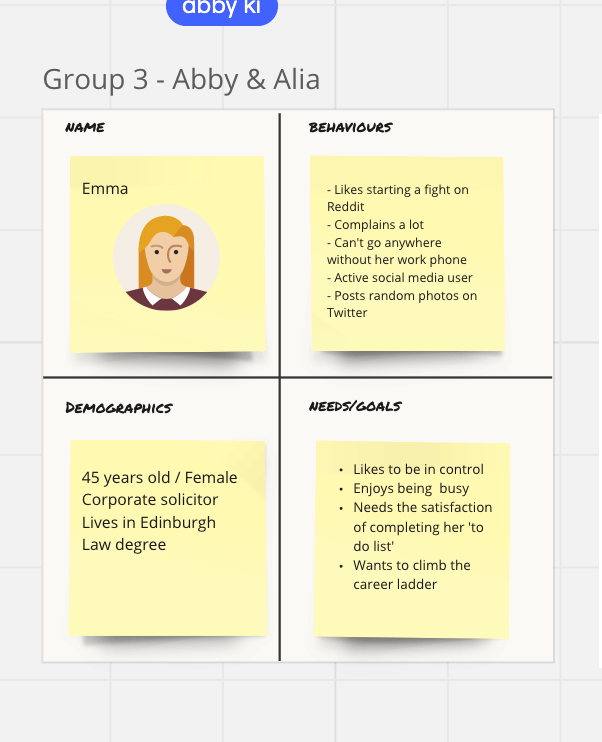
Use data to create a provisional persona without inventing unsupported detail
Turn a business problem into clear research objectives and questions
Choose a suitable research method for different problem statements
Identify who needs to take part and write a simple recruitment screener
Make responsible decisions about consent, privacy, inclusion and wellbeing
Ask open questions, listen actively and follow up without leading
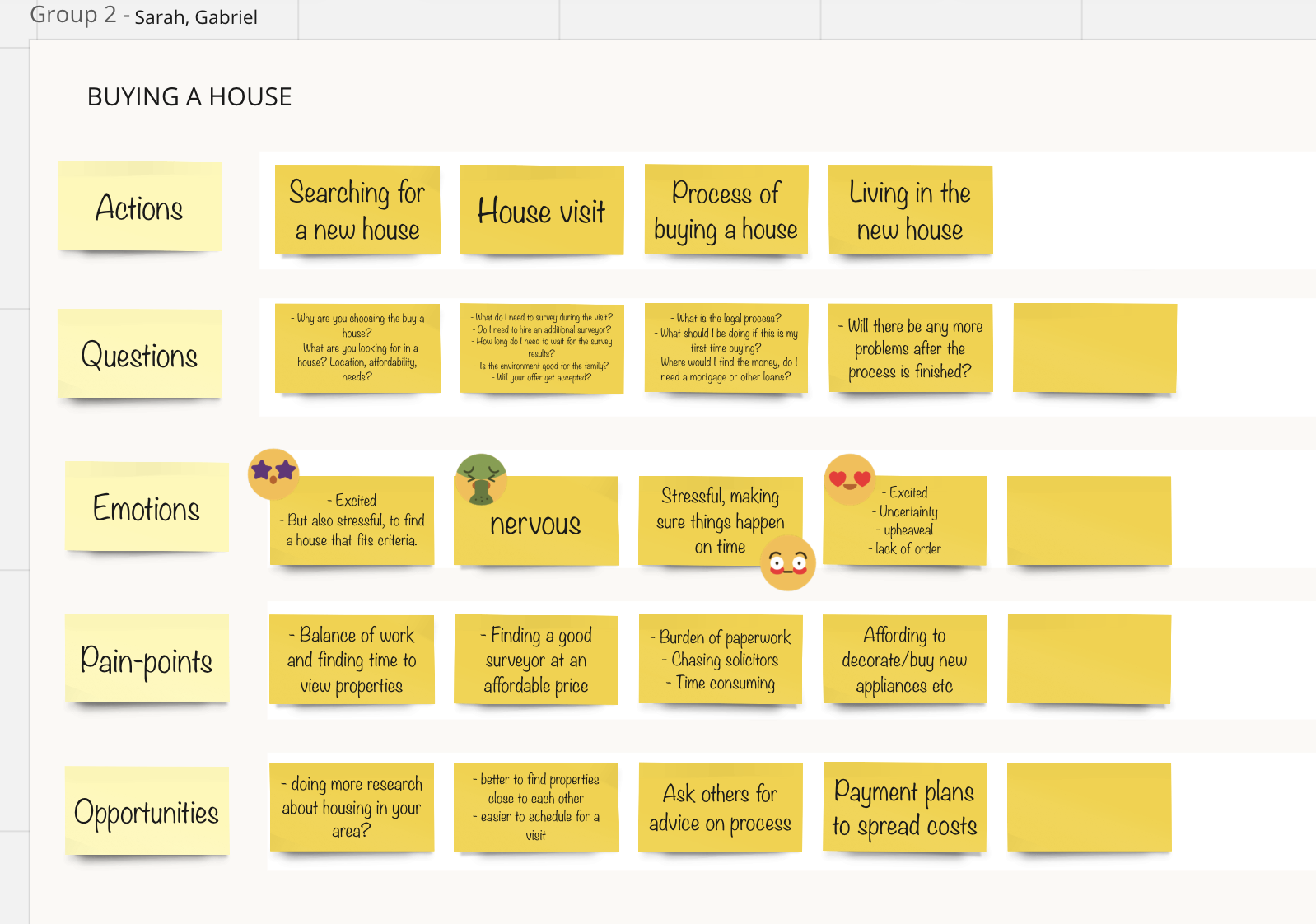
Conduct an interview and capture data using a user journey map
Day 2: How to do usability testing to improve products and services
Using research to evaluate a website or service: deciding what to explore, preparing the session, running the testing.
Identify possible problems and turn them into questions to explore with users
Create a clear plan for a short research session
Write realistic usability tasks and scenarios
Observe an interview and take effective notes
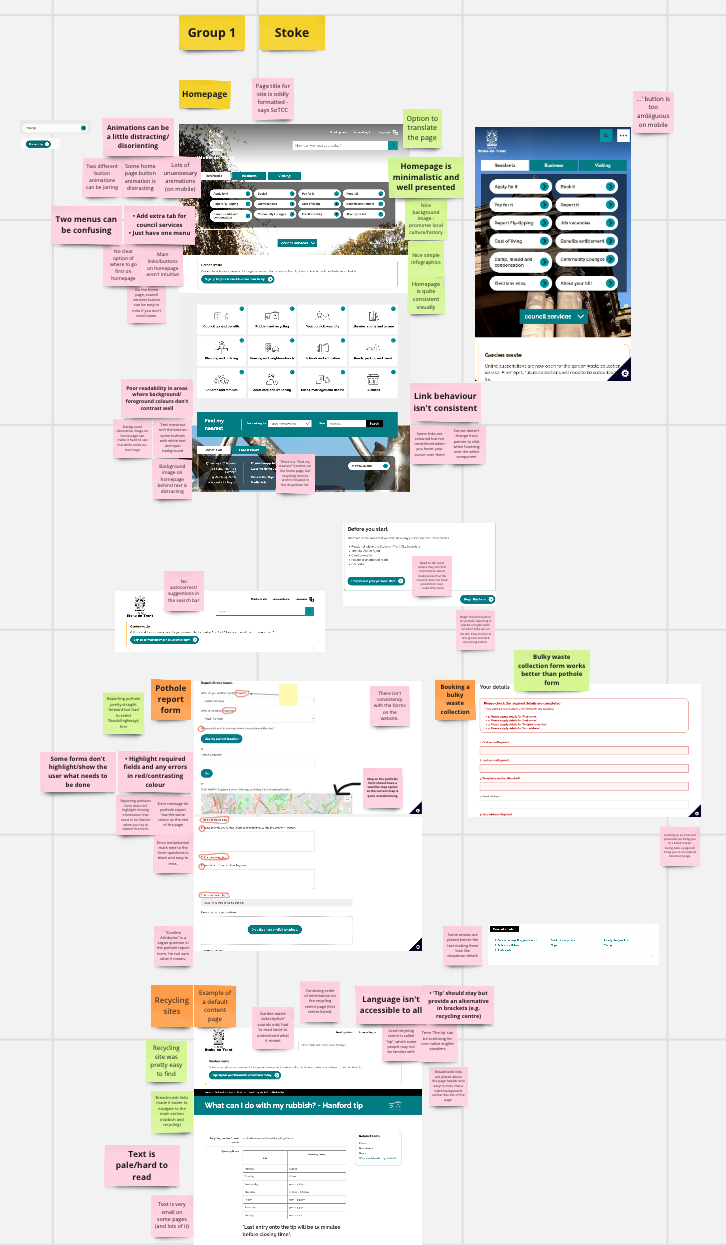
Learn how to set up and run a usability test
Bring notes together and identify meaningful patterns
Write clear findings and suggest sensible next steps
Course 2:
User Research Practitioner
Run a real study end to end — plan, moderate live, and report —
with real participants and coaching.
Course overview:
Duration: 3 days
Dates: Tuesday 9 – Thursday 11 March 2027
Format: Live online, delivered over Zoom
Price: £995 (+VAT)
Class size: 6–12 learners
Experience: Best suited to people who've either completed our Essentials training, or who already have some experience of user research
Certification: UserLab certificate and CPD certificate
Who this course is for:
Designers and junior user researchers who already have some research and know the theory but need practice with real participants before they do it on their own projects
Graduates of our User Research Essentials training who are ready to move from mock interviews to live research with real participants
‘Teams of one’ - such as product managers, designers, business analysts and anyone else doing research as part of a wider role who needs to know how their moderation and analysis skills hold up
Public sector design teams working in-line with the GOV.UK Service Standard and NHS Design Principles
Design teams standardising how they research who want a shared, evidenced standard for what "good" looks like in the room
Anyone who's self-taught and wants honest, specific feedback on how they actually moderate - not how they think they do
What you’ll learn and do:
Day 1: Plan a real research study
Work from a realistic brief and prepare for live research with real participants.
Turn a research brief into clear objectives and questions
Work out what the research can and cannot answer
Decide who needs to take part and why
Understand how recruitment decisions affect the quality of the research
Create a practical research plan for a live study
Write a discussion guide and/or usability tasks
Plan how to manage consent, recording, privacy, inclusion and wellbeing
Prepare observers and note-takers so they know what to capture
Pilot the session and improve it before going live
Day 2: Run live research with real participants
Moderate live sessions with real recruited participants, with coaching and feedback throughout.
Welcome participants and set expectations clearly
Build rapport and help people feel comfortable
Ask open questions and follow up without leading
Encourage people to think aloud during usability tasks
Adapt when participants are quiet, talkative, unsure or go off topic
Manage the session without rescuing the participant or explaining the design
Work with observers and note-takers during live research
Debrief after each session and identify what needs to change
Reflect on your moderation style and receive practical feedback
Day 3: Analyse real data and present findings
Bring together the data from the live sessions, identify what matters and communicate useful recommendations.
Review notes, observations and evidence from the live research
Separate what participants said from what the research is showing
Identify patterns, contradictions and gaps in the data
Group observations into themes and findings
Prioritise findings based on evidence, impact and confidence
Turn findings into clear, practical recommendations
Use quotes and examples responsibly
Prepare a concise research readout
Present findings and recommendations back to the group
Respond to questions and explain what the evidence does and does not support
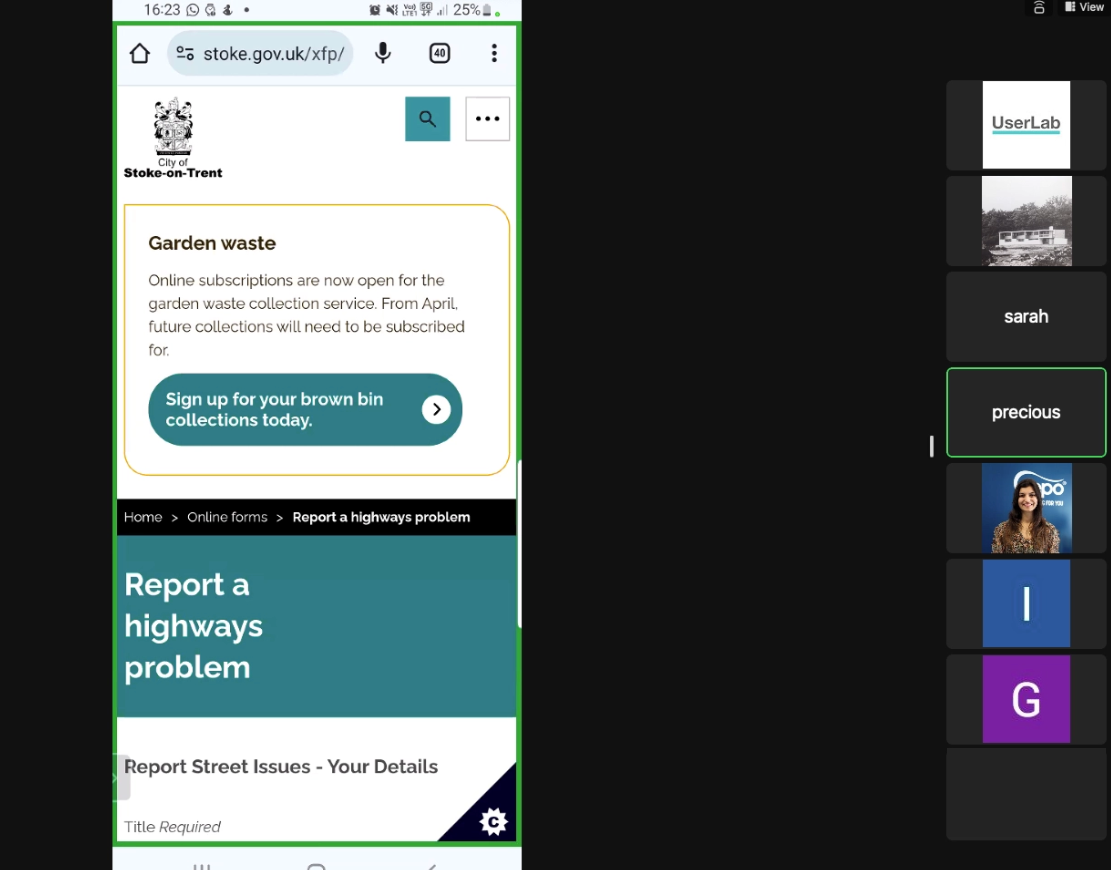
“As someone who is new to UX, the user research training helped empower me to be confident in my role, whilst also equipping me with key skills. It has significantly supported my work as a content designer.
I would recommend this course to both seasoned professionals and those new to the profession. It's a great way to refresh your skills or have an introduction and overview of the progression and the high standards involved.
Tom as a trainer was excellent. He is very personable, easy to approach, and is an expert in what he does.”

Jodie Bibb
UX Designer at Capgemini
"I was very impressed with the User Research training I recently attended, it gave me a core understanding of User Experience and how think more about HCD can lead to better outcomes for both businesses and customers. The quizzes were good as well to break up learning and reflect. Thank you!"

Liz McCabe,
Business Analyst
“Getting the opportunity to do live usability testing was a helpful way of learning about it. The course covered a range of topics and research methods, with lots of collaboration and the presentations were were organised and easy to understand.”

Gabriel Tong,
UX Designer
Meet your instructor

Tom has spent more than 15 years planning, moderating and leading user research for government, charities and commercial organisations. Rather than teaching theory from a textbook, the content on these courses comes from real projects he's delivered himself.
Tom Devlin
Teaching and learning standards
This course is designed using OFQUAL (The Office of Qualifications and Examinations Regulation) standards for Level 5 learning outcomes, reflecting the greater autonomy and judgement required to moderate live research and analyse real, complex data.
Our education and training specialist is IQA (Internal Quality Assurer) qualified and they have quality checked and ratified the level of assessment and learning outcomes.
Our course content also aligns with the GOV.UK Service Standard and the user researcher role in the Government Digital and Data capability framework
We also use principles of the government's recommended competency frameworks for further quality, specifically 'SFIA Version 8 (Skills Framework for the Information Age): Principles of User Research Level 4'. For more information, see:


Earn CPD Credits
Our courses are being independently assessed by The CPD Certification Service. On completion, participants will receive a recognised CPD certificate recording the hours earned.

Book your place
Payment plans and bulk savings available.
Build the skills to plan, run and share user research effectively on this 2 day instructor-led live course.
Prepare a real study, speak to real recruited participants, analyse real data and present your findings and recommendations on this 3 day course.
Two live online courses that take you from learning the fundamentals to running a live study with real participants. First, you’ll build the skills to plan, run and share user research effectively on our 2 day User Research Essentials training, then you’ll moderate a real user research study with real participants and expert coaching with our 3 day User Research Practitioner course.
Frequently Asked Questions
Do I need previous research experience to do the training?
No. Our User Research Essentials training is designed for complete beginners, as well as anyone who wants a clear, practical grounding in the whole research process.
Do I need to have done Essentials before I can join Practitioner?
No, it's not required. If you're already doing some research as part of your job, you can join the Practitioner training directly - day one recaps the core methods before you get started with real participants. If you've never run a research session before, we'd recommend starting with Essentials first.
What's the real difference between the Essentials and Practitioner courses?
Essentials is rehearsal - you practice with peers in a safe, low-stakes space. Practitioner is the real thing: real recruited participants, live moderation, coaching on your actual performance, and analysis of genuine data. Essentials builds the skill; Practitioner proves you can do it for real.
Will I actually be interviewing real people, or just practising with the group?
Only on the Practitioner training. On Essentials, you'll practice with your peers - no real participants involved. Practitioner is built entirely around real, independently recruited participants: not colleagues, not scripted personas.
Are these courses only useful if I want to become a user researcher?
No. Both courses are just as useful for designers, product managers, business analysts and anyone who needs to plan, commission, understand or contribute to research as part of a wider role.
Does the Essentials training only cover usability testing?
No. It covers the whole research process, giving you a solid grounding in both discovery methods like interviewing and evaluative methods like usability testing.
What if I get nervous or freeze up when moderating a real session on the Practitioner training?
That's exactly what the coaching is for. You're not being tested - you're supported through the hard parts by someone experienced, in real time. A session that wobbles and gets recovered teaches you more than a smooth one, and every learner gets individual feedback.
Do I need to bring my own project or find my own participants for Practitioner?
No. We handle recruitment and provide the study framework - you bring yourself and the willingness to run a research session in front of someone. If you have a real project in mind, we can talk about how the days might feed into it, or look at something more bespoke.
Can you run either training privately, just for our team?
Yes. We can run either the Essentials or Practitioner training privately. We’ll also be launching a research sprint especially for corporate clients where we can run a round of testing on your product, from start to finish.
Get in touch if you’d like to discuss this - hello@userlab.co.uk
Why train with us?

Industry-standard techniques
Our extensive experience working on user research projects for government, public and private sectors has enabled us to develop training based on a range of real-world projects.
Project-ready

By focusing on outcomes and using practical, hands-on learning and a range of teaching and assessment methods, you can be confident that you’ll be ready to hit the ground running after completing our courses.
Aligned with GOV.UK Standards

Our experience of working in and delivering projects for government means our training aligns to the GOV.UK Service Standard - including understanding users and their needs - and to the User Researcher role in the Government Digital and Data capability framework
Learn by doing

We use a mix of short presentations, group discussions, paired activities and real research sessions.